



Vacātiō.
That’s the Latin root of our word “vacation.” Its literal meaning? Freedom from obligations. Release. Emptiness. Wide-open calendar space with nothing demanding your attention.
The ancients clearly never heard of Disney World.
What was supposed to be a reprieve from professional life has quietly morphed into a second, unpaid job. One we happily pay thousands of dollars to perform.

I started thinking about this while staring at a $15,000 quote for a beach house on the Florida panhandle this summer for thirteen people. Two of those seven days would be spent frantically packing, hunting for missing swim trunks, and settling the inevitable marital spats over who forgot the sunscreen.
That got me wondering: Is it actually worth it?
Being the eternal pragmatist, I ran the numbers for a more realistic scenario, a family of six, the kind many of my Midwest and Southeast clients actually have.
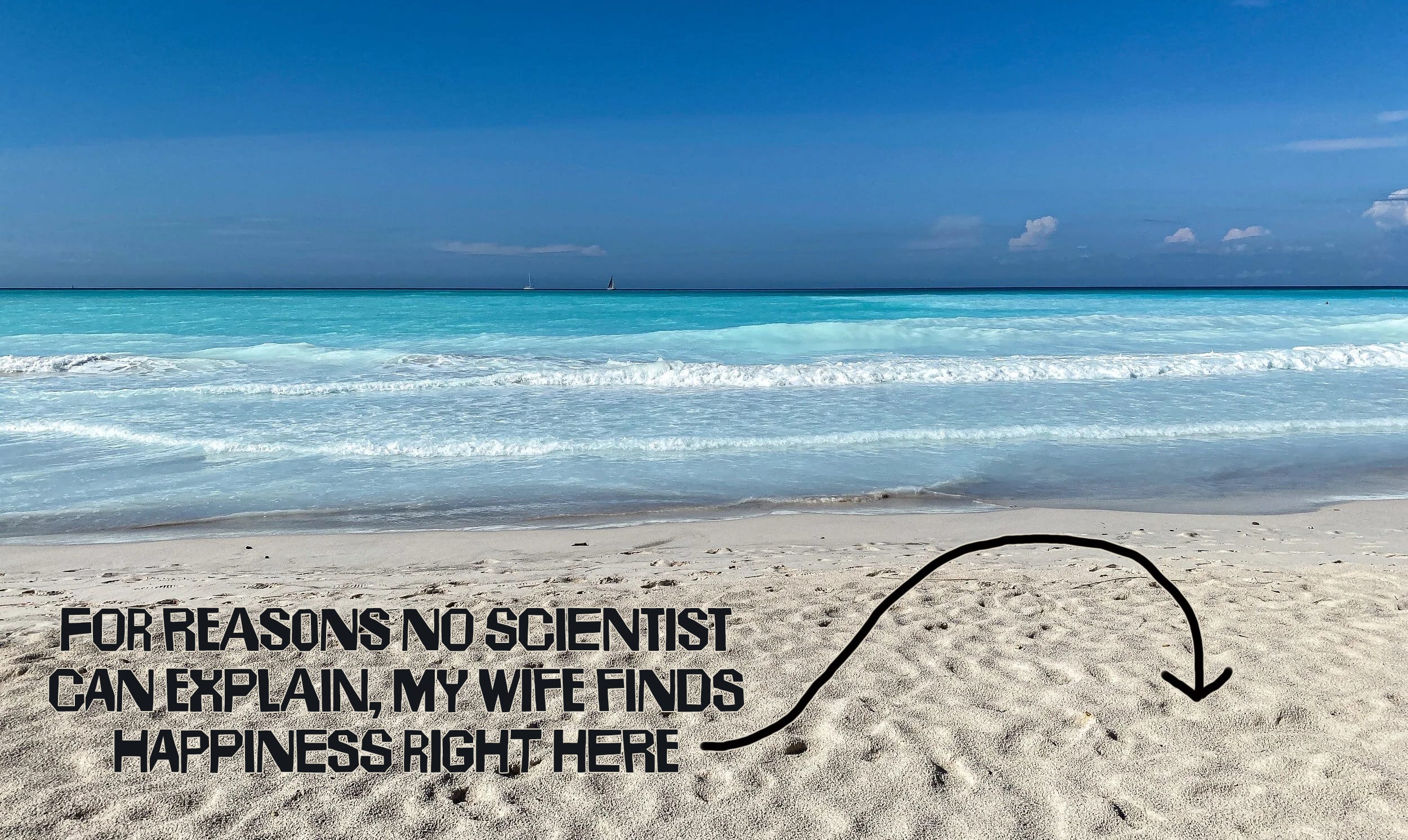
Here’s the sober tally for one modest Gulf-coast week in June:
House rental: $7,800
Booking tax: $424
Cleaning fee: $250
Flights: $2,322
Car rental: $600
Groceries: $850
Dining out: $750
Activities + shopping: ~$1,000 (and yes, it’s always higher)
Grand total: $13,996
For a median Midwest household, that’s more than 12% of their entire annual budget for seven days of supposed rest. Even at double the median income, it’s still a 6% bite. And that’s before we talk about the silent killer: opportunity cost. For business owners and high-producing professionals, there is no such thing as “paid vacation.” Time away is money left on the table.
We all know we need to decompress. That’s why the five-day work week and the ancient concept of a day of rest survived for millennia. The Soviets tried a continuous seven-day work week starting in 1929 to supercharge industrialization. Eleven years later they quietly abandoned it. Absenteeism, fatigue, and illness tanked productivity instead of boosting it.

Actual Soviet propaganda poster reads, “Behind the shock brigades — shock workshops, Behind the shock workshops — shock factories!”. English text added for comic effect.
Yet here we are in 2026, somehow managing to turn vacation itself into its own form of exhaustion.
“I need a vacation from my vacation.”
- Every parent, everywhere
If you come back from “time off” feeling dread and scrambling to catch up, that’s your nervous system telling you something important: you didn’t actually rest. Or maybe you just hate your job, but that’s a different issue altogether.
The real culprit? Instagram-fueled highlight reels and subtle peer pressure from friends posting their own perfectly curated escapes. Keeping up with the Joneses was never meant to be an aspirational strategy. (Trust me, I’m a Jones).
In 2023 I learned this lesson the expensive way when I dragged the family to the Bahamas chasing turquoise waters and reggae vibes. By day three we were all counting the hours until the flight home. The accommodations had zero communal space, everything was priced to encourage theft, and the “relaxed island pace” felt more like organized chaos.
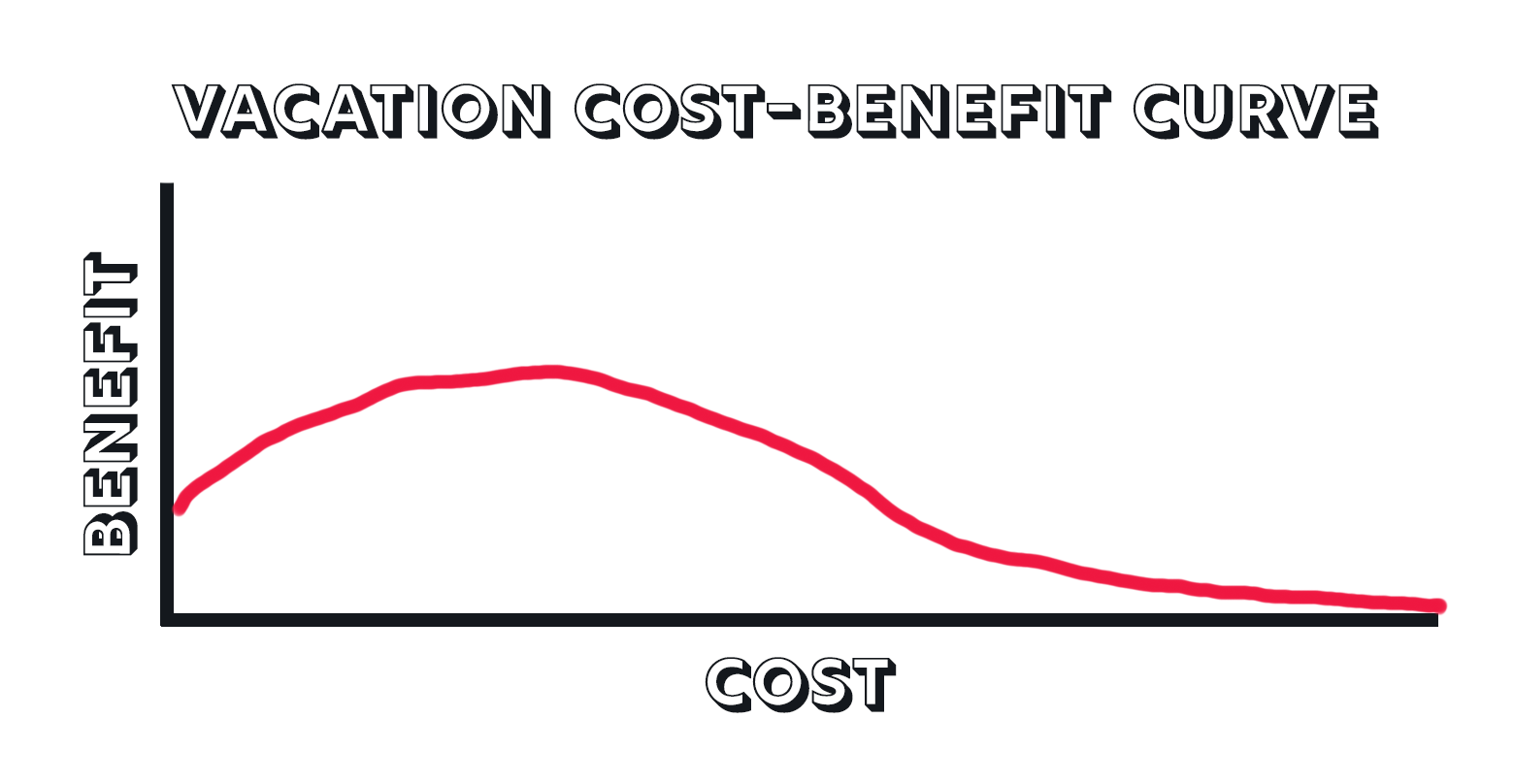
Coming back to a high-stakes practice where thousands of clients and an entire organization depend on me performing at full capacity, I realized I couldn’t afford another vacation that required its own vacation. So, I created a simple set of rules that actually work for me.
Ben’s 5 Vacation Rules (The Ones That Actually Replenish)
Acknowledge that time off is non-negotiable. Burnout doesn’t make you more productive but the opposite.
Cap the budget at 7% of household income per year. And never, ever finance travel with debt or by raiding retirement accounts. That’s just transferring stress to your future self.
Take one to two full weeks with zero work in between. Plan the handoff like a military operation. Half-measures create the worst of both worlds.
Design the schedule to be at least 80% blank. If your itinerary looks like a spreadsheet, you’re doing it wrong. White space is where actual restoration happens.
Minimize crowds and maximize time with the people you love. Some people thrive on energy from strangers. I find it soul-draining. Know which camp you’re in and plan accordingly.
Season these rules to your own taste, of course. The point isn’t rigid dogma, it’s protecting the original Latin promise of vacātiō: genuine release.
The economics of modern vacations are a messy stew of subjective desires, social signaling, financial reality, and basic human physiology. Getting the balance right is hard. But when you do, when you come home genuinely restored instead of just tan and drained, the return on investment is enormous.
Just don’t confuse motion with restoration. The ancients were not wrong. Sometimes the most beneficial thing you can buy with your money and your time… is emptiness.
Investment advice offered through National Wealth Management Group, LLC. The information presented is for educational and informational purposes only and is not intended as a recommendation or specific advice.
Past performance is no guarantee of future results. Consult with your own qualified advisor before making any financial decisions. All opinions expressed are those of the author and do not necessarily reflect the views of National Wealth Management Group, LLC.
Hey Ben,
Never have I read such an excellent definition and description of the "Beach Vacation". Every word rings true. My idea of a vacay is to DO NOTHING except what I choose to do. When someone asks me "what're you doing today?", it gives me great joy to say "Nothing" - and that means "I appreciate the invite, but don't ask me to do SOMETHING", because today I choose to give myself the best gift one can get - the freedom to do nothing; now THAT's a vacation !!
Judi Hoell